




When purchasing property in Victoria, you have several options: attempt DIY conveyancing, hire a licensed conveyancer, or engage a lawyer. Each has trade-offs.
Buying a house is likely the largest financial decision you will ever make. The conveyancing process — the legal and administrative steps of transferring property ownership — is crucial to protect your interests.
You have three main options: do it yourself (rare and not recommended), hire a conveyancer, or engage a lawyer. Here’s what you need to know.
What is Conveyancing?
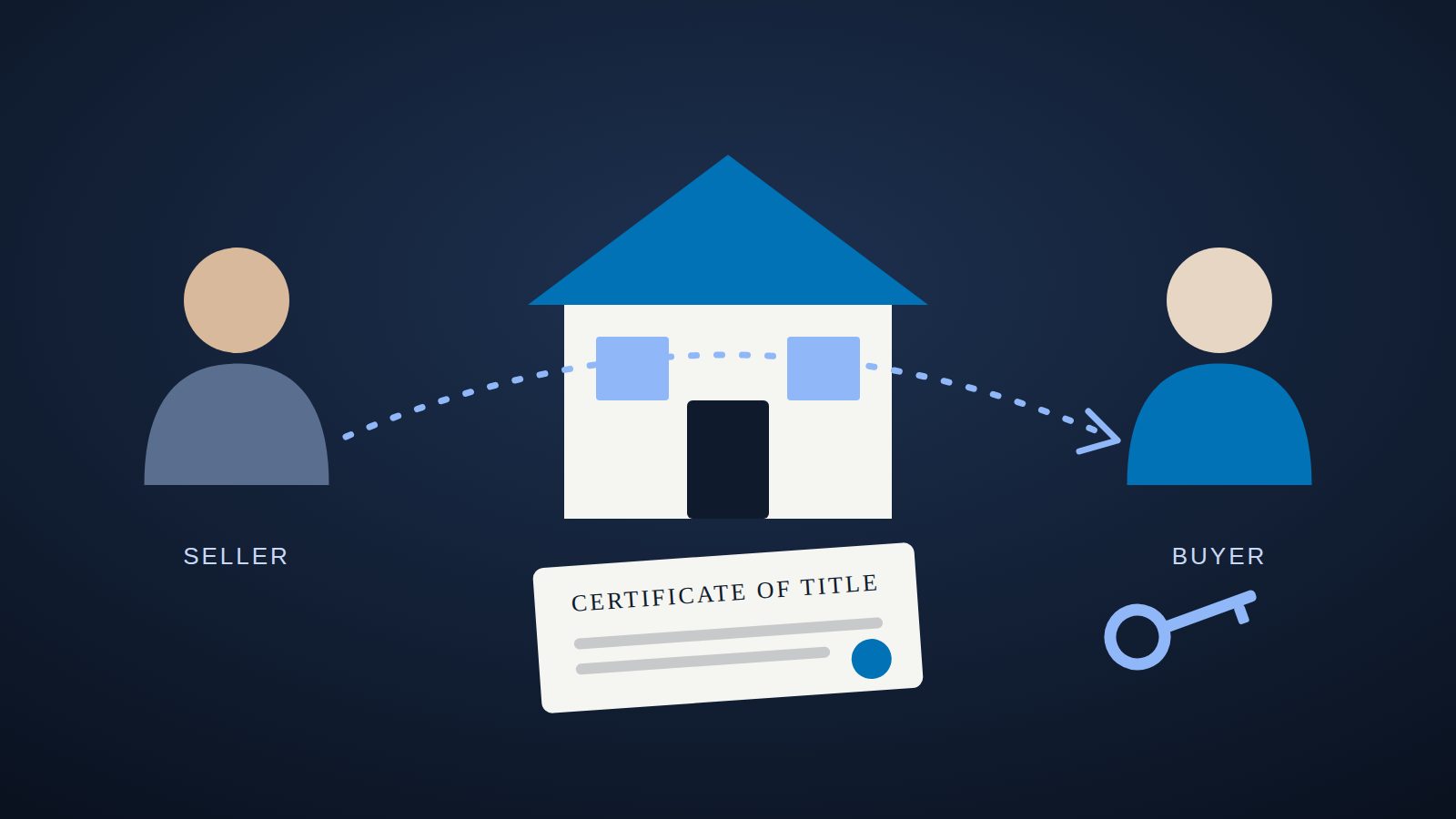
Conveyancing is the legal process of transferring property ownership. It includes reviewing contracts, conducting searches, arranging finance, and managing settlement. Mistakes in conveyancing can be costly and difficult to fix after settlement.
Conveyancer vs. Lawyer
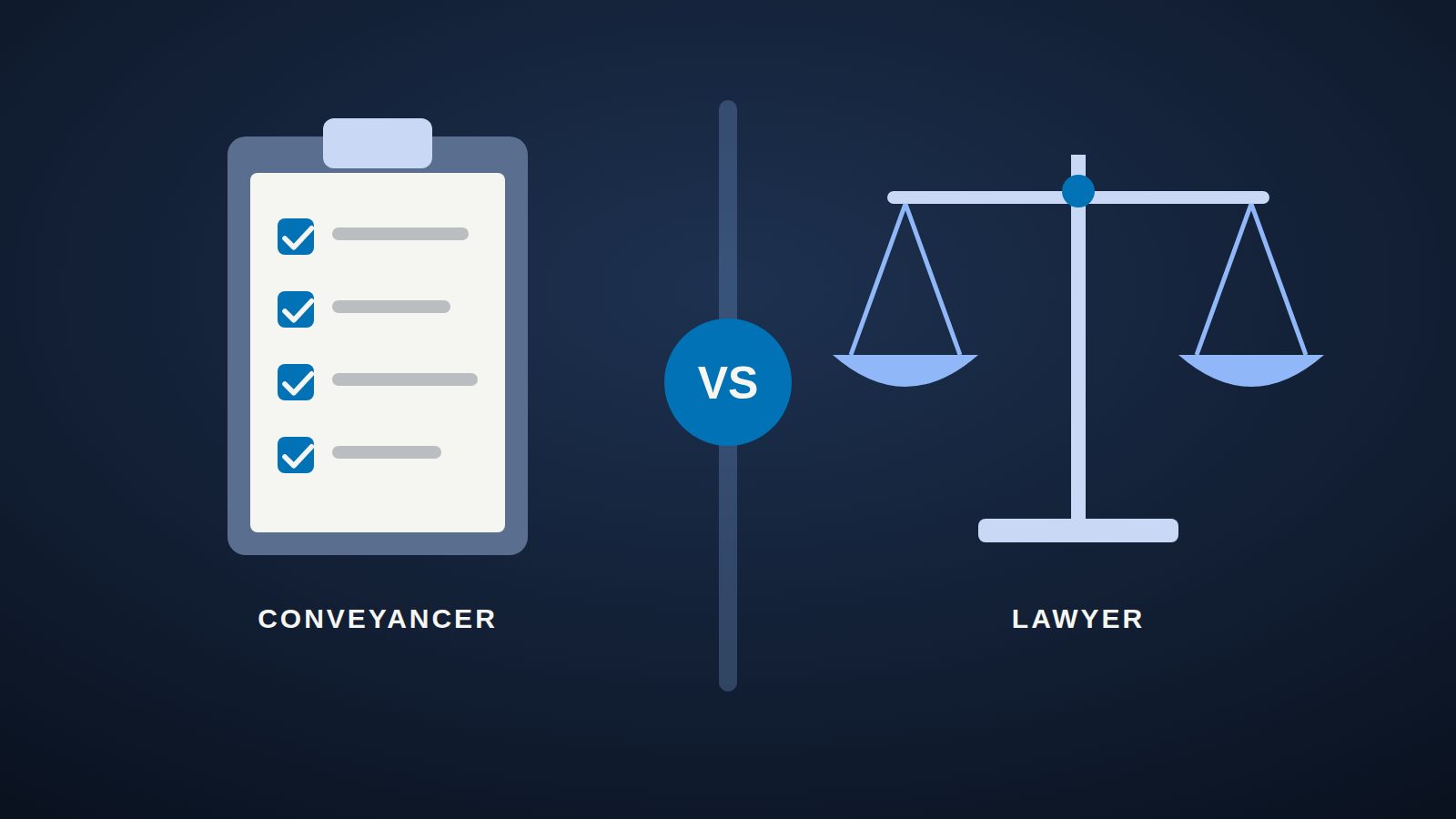
Licensed conveyancers are specialists in property transactions and are often more affordable than lawyers for straightforward purchases.
Lawyers have broader legal training and can advise on complex issues — such as boundary disputes, title problems, or commercial property deals — that a conveyancer may not handle.
At Mornington Legal, our lawyers handle conveyancing and can navigate both simple and complex scenarios, giving you peace of mind throughout the process.
When to Use Each
Use a conveyancer for straightforward residential purchases with clear title and no complications.
Use a lawyer if the property has title issues, you’re buying an investment property, there are boundary disputes, or you want comprehensive legal advice alongside conveyancing.
Contact Mornington Legal to discuss your specific situation — we can advise whether our services are the right fit.